
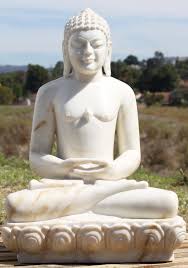
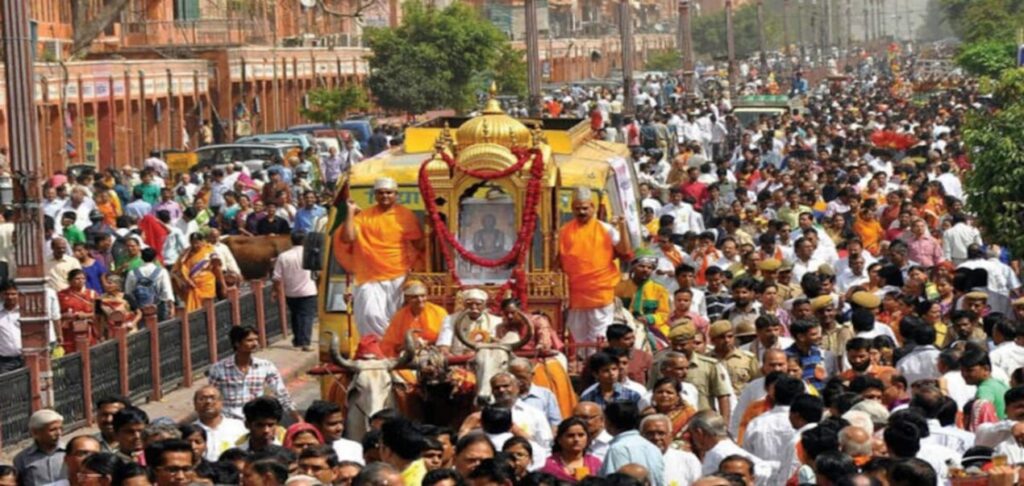
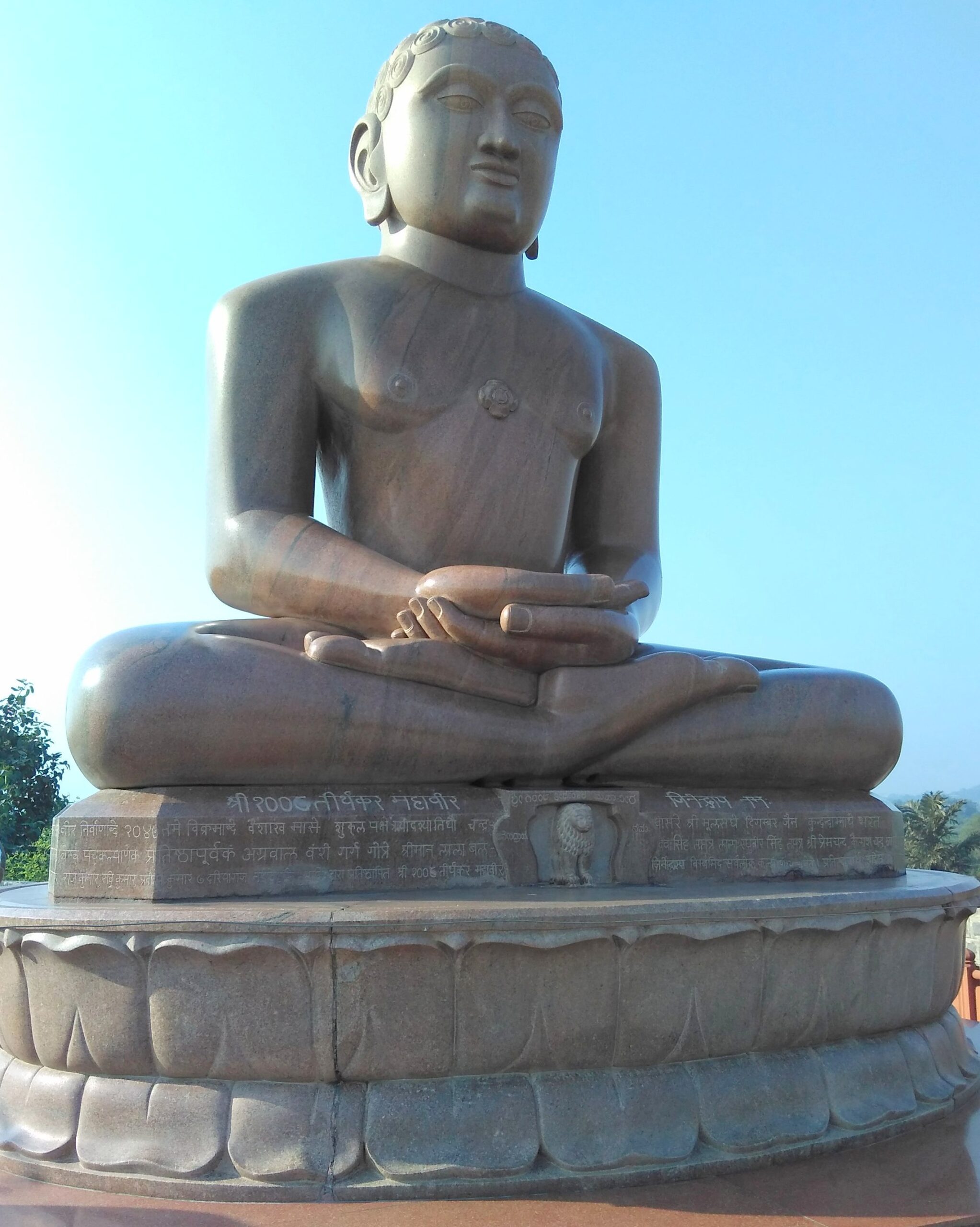
Mahavir Jayanti is one of the most important festivals in Jainism, celebrating the birth of Lord Mahavira, the 24th Tirthankara. Observed with devotion across India, the day is marked by prayers, processions, and acts of charity.
Beyond rituals, Mahavir Jayanti carries a deeper meaning. It reminds us of timeless teachings that promote peace, self-discipline, and mindful living—values that are highly relevant in today’s fast-paced world.
What Is Mahavir Jayanti?
Mahavir Jayanti commemorates the birth of Mahavira, who played a central role in shaping Jain philosophy. The festival is celebrated by the Jain community through temple visits, spiritual discourses, and community service.
More than a religious event, it encourages reflection on values such as non-violence, truth, and self-control.
Who Was Mahavira? (Origin & Early Life)
Mahavira was born in the 6th century BCE in present-day Bihar, into a royal family. Despite a life of comfort and privilege, he chose to renounce worldly attachments in search of deeper truth.
He spent years in deep meditation and self-discipline before attaining enlightenment. His journey reflects a shift from material comfort to spiritual awareness.
While Mahavira lived and taught mainly in eastern India, his teachings gradually spread across the country over centuries.
Jain communities became especially prominent in Rajasthan, where many followers were engaged in trade and business. Over time, these communities expanded further across India.
Today, Jains are well-established in cities such as Hyderabad and Secunderabad, where they continue to contribute significantly to business, culture, and community life.
The Transformation of Mahavira and the Rise of Jainism
Mahavira was born as Vardhamana into a royal family but was deeply inclined toward spirituality from an early age.
At around the age of 30, he renounced worldly life and chose a path of strict asceticism. He practiced deep meditation and self-discipline for several years in search of ultimate truth.
Rather than following a single teacher, his journey was influenced by earlier spiritual traditions and the teachings of previous Jain Tirthankaras, especially Parshvanatha.
After years of intense practice, he attained Kevala Jnana (absolute knowledge or enlightenment). From that point, he became a spiritual teacher, guiding others toward liberation.
In Jain philosophy, Mahavira is not considered a creator god, but a Tirthankara—an enlightened being who shows the path to freedom from the cycle of birth and death.
Core Teachings of Mahavira
The teachings of Mahavira are simple yet powerful.
Ahimsa (Non-Violence)
Respect for all living beings in thought, word, and action.
Satya (Truth)
Honesty as a foundation for trust and integrity.
Aparigraha (Non-Attachment)
Letting go of excess desires to achieve inner peace.
Self-Discipline
Control over thoughts and actions to maintain balance.
Understanding Jain Philosophy in Simple Terms
Jain philosophy is based on the idea that every action has consequences. It emphasizes karma, awareness, and responsibility.
It encourages individuals to live consciously and ethically, aligning actions with values.
Relevance of Mahavira’s Teachings Today
Modern life is filled with stress, competition, and distractions. Mahavira’s teachings offer a clear direction.
Non-violence promotes empathy. Truth builds trust. Non-attachment reduces stress.
These principles remain highly relevant in today’s world.
Teachings for Students and Young Professionals
For students and young professionals, these teachings are practical.
Self-discipline improves focus. Non-attachment reduces pressure. Truthfulness builds credibility.
Spiritual values can guide everyday success.
A Message for Today’s World
Mahavira’s message promotes peace, tolerance, and awareness.
It reminds us that true progress is both internal and external.
Insights from Inspirelife.in

At Inspirelife.in, Mahavir Jayanti is a reminder to reflect on values that improve daily life.
In a world driven by stress, distractions, and material desires, Mahavira’s teachings offer a path toward simplicity, clarity, and inner stability.
Practices like meditation, concentration, and dedication play an important role in this journey. Even a few minutes of mindful silence each day can improve focus, reduce stress, and bring mental clarity.
Developing self-discipline and staying committed to one’s goals reflects the deeper essence of Mahavira’s teachings. These are not just spiritual ideas—they are practical habits that support personal and professional growth.
By applying these principles in everyday life, individuals can build a balanced mindset and make better decisions.
Author & Editor
RK Prashant
Founder, Inspirelife.in