
Education has always evolved alongside society. As technology advances and industries transform, the way students learn must also change. In recent years, schools and colleges have begun revising their syllabi to better reflect the needs of the modern world. These updates aim to move education beyond memorization and focus more on practical skills, critical thinking, and real-world understanding.
For students and young professionals, these changes are important because the subjects being introduced today will shape the careers of tomorrow. The modern syllabus is gradually shifting toward preparing students not just to pass exams, but to solve problems, innovate, and adapt to a rapidly changing global environment.
4
Why Education Systems Are Updating the Syllabus
Education systems regularly update their curricula to stay relevant to social, technological, and economic changes. Over the past two decades, industries have undergone significant transformation due to digital technology, automation, and globalization.
Employers today increasingly value skills such as problem-solving, adaptability, communication, and digital literacy. Traditional education focused heavily on theoretical knowledge, but modern workplaces require individuals who can apply knowledge in practical situations.
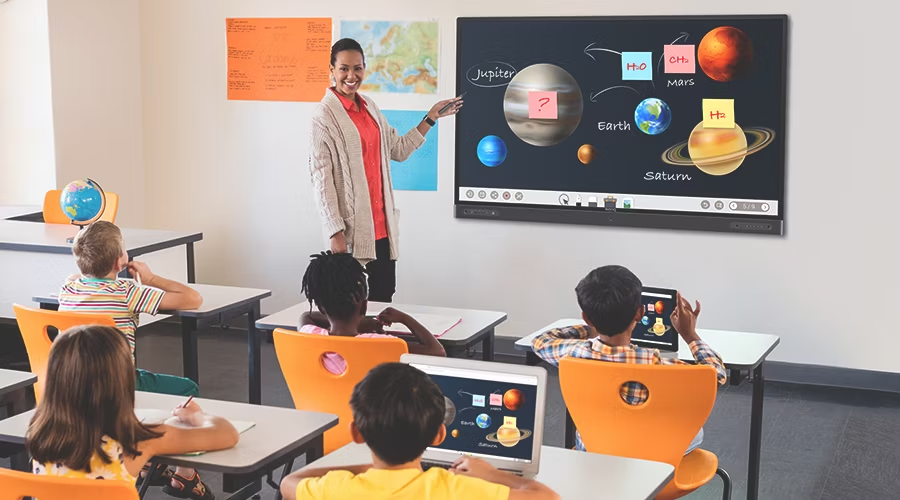
To address this shift, educational institutions are redesigning syllabi to include skill-based learning, interdisciplinary subjects, and exposure to emerging technologies. These changes help bridge the gap between academic knowledge and real-world professional demands.
Key Changes in the New School Syllabus
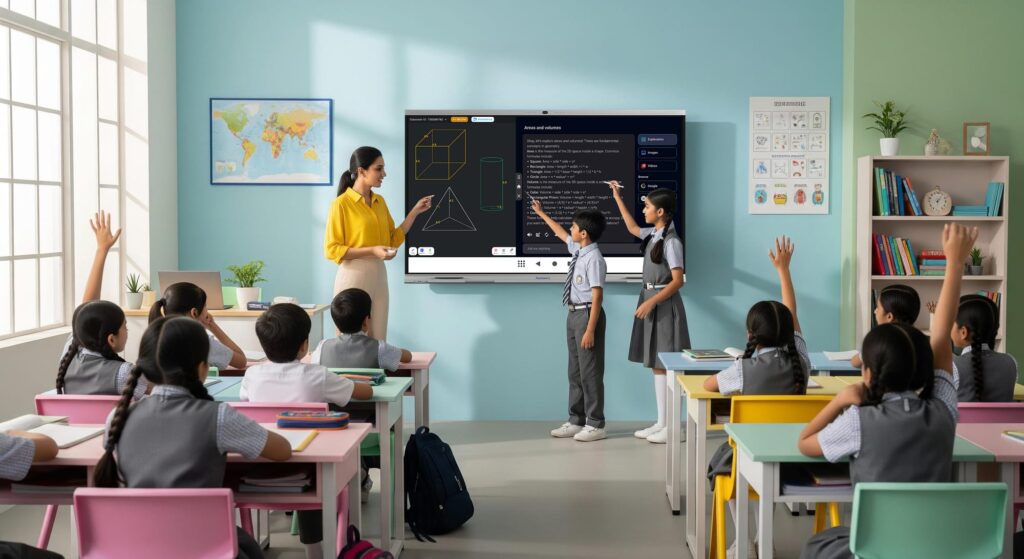
One of the most noticeable changes in school education is the move away from rote memorization toward concept-based learning. Students are increasingly encouraged to understand ideas rather than simply remember information for examinations.
Many schools are introducing modern subjects and learning areas such as:
- Artificial Intelligence basics
- Coding and computational thinking
- Financial literacy
- Environmental and climate awareness
- Entrepreneurship fundamentals
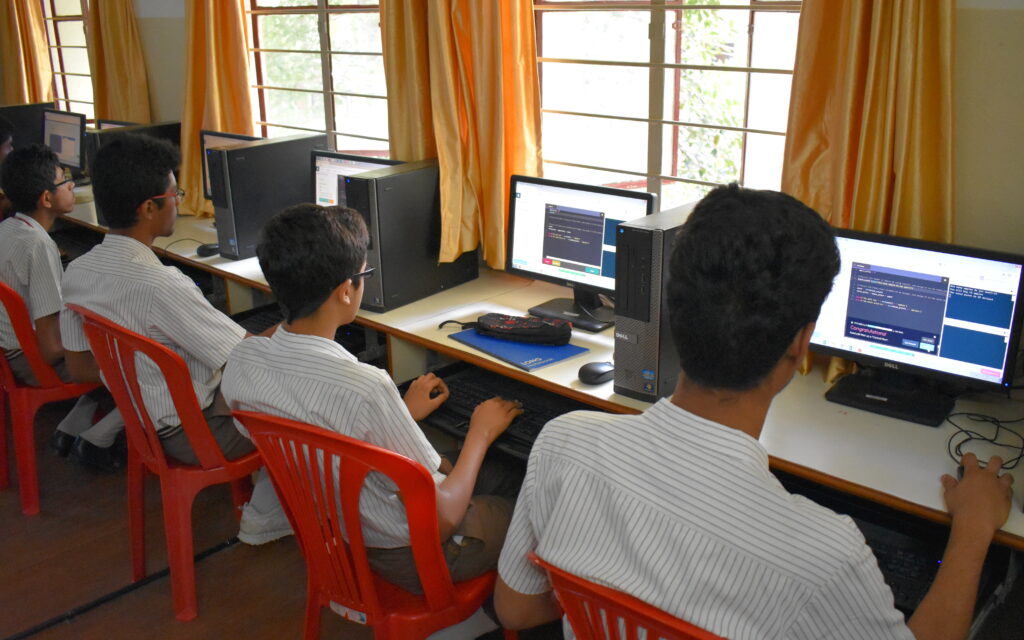
For example, middle school students may now learn basic coding using beginner-friendly platforms. Through these activities, students develop logical thinking and structured problem-solving abilities.
Financial literacy is another important addition. Students are gradually learning how to manage money, understand budgeting, and develop responsible financial habits from an early stage.
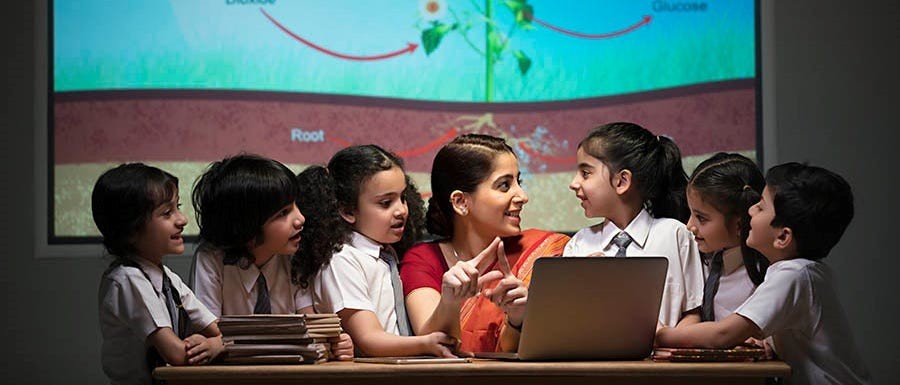
Environmental education is also gaining importance, helping students understand global challenges such as sustainability, conservation, and climate change.
4
How College Education Is Evolving
Higher education institutions are also adapting to modern demands by introducing flexible learning structures and new academic programs.
Many universities now offer courses in rapidly growing fields such as:
- Data Science
- Artificial Intelligence and Machine Learning
- Cybersecurity
- Digital Marketing
- Entrepreneurship and Startup Management
- Sustainability Studies
These subjects reflect the increasing role of technology, digital businesses, and environmental awareness in modern economies.
For instance, a business student today may study digital marketing strategies that involve social media analytics, search engine optimization, and online advertising. These subjects directly connect classroom learning with real-world industry practices.
Similarly, technology-focused students may pursue specialized programs in artificial intelligence or cybersecurity, fields that are becoming essential as organizations rely more on digital infrastructure and data protection.

The Impact of the New Syllabus on Students
The evolving syllabus can significantly influence how students learn and prepare for their careers. One major shift is the increased emphasis on practical learning. Instead of focusing only on written examinations, students may now participate in projects, case studies, internships, and collaborative assignments.
Another important development is interdisciplinary learning. Students are increasingly able to combine different academic interests. For example, someone interested in both psychology and technology might explore fields such as human-computer interaction or behavioral data analysis.
These opportunities help students develop broader perspectives and adaptable skill sets that can be useful across multiple industries.
Challenges Students May Experience
While the new syllabus offers many opportunities, students and institutions may also encounter certain challenges during the transition.
Adapting to new learning styles can take time. Students who are used to memorization-based exams may initially find project-based assessments and analytical tasks unfamiliar.
Implementation may also vary across institutions. Some schools and colleges may have better access to resources, technology, and trained educators than others. Teachers also require training and support to effectively teach emerging subjects such as artificial intelligence or data science.
Despite these challenges, the overall direction of education reform suggests a positive shift toward more meaningful and practical learning experiences.
Insight — Inspirelife.in
Education is entering a stage where the purpose of learning is expanding beyond textbooks and examinations. In a rapidly changing world, students must develop the ability to think, analyze, and innovate.
At Inspirelife.in, we believe a truly modern syllabus should focus not only on new subjects but also on nurturing powerful thinking skills.
An effective education system should encourage students to develop:
- Logical thinking — understanding problems clearly and finding rational solutions
- Creative thinking — exploring new ideas and challenging conventional approaches
- Analytical skills — evaluating information and real-world situations effectively
- Innovative mindset — applying knowledge to create meaningful solutions
- Entrepreneurial thinking — developing initiative, leadership, and the courage to build new ventures
Entrepreneurship in education is especially encouraging. When students learn how ideas turn into businesses, how innovation creates value, and how leadership shapes society, education becomes far more impactful.
Author & Editor: RK Prashant
Founder: Inspirelife.in