
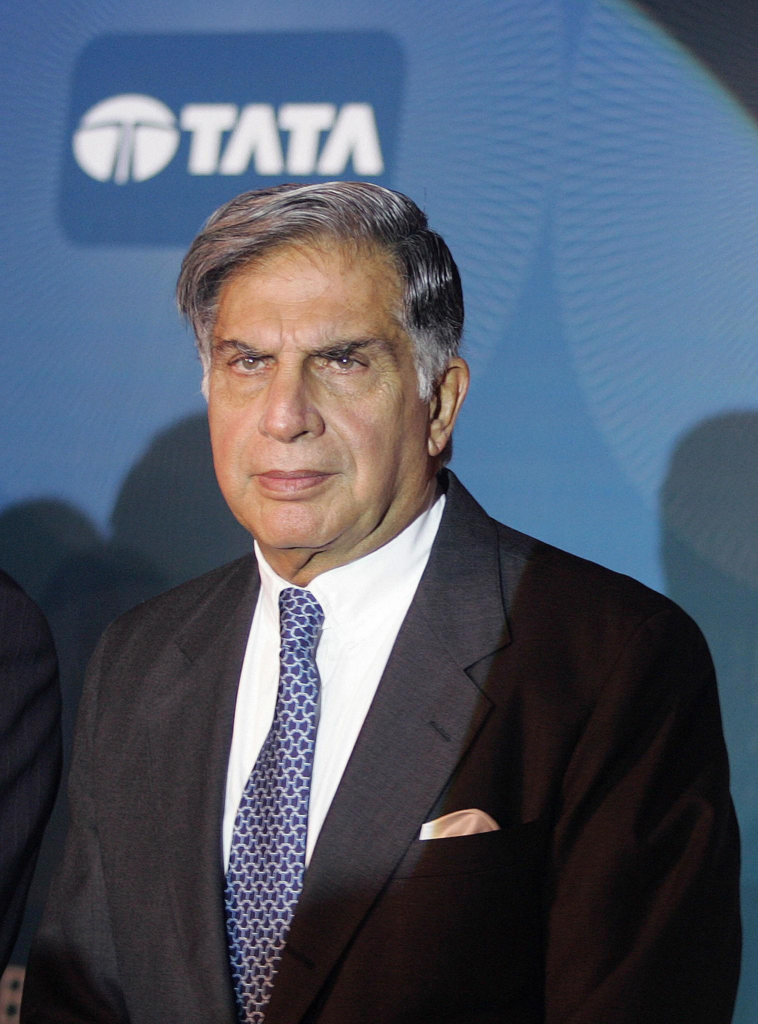
In the landscape of Indian industry, few names command as much respect as Ratan Tata. Known for his understated presence and principled leadership, he transformed the Tata Group into a globally respected enterprise — not merely through expansion, but through ethics and long-term vision.
His journey reflects a defining chapter in India’s modern economic history. As the country opened its markets in the early 1990s, Ratan Tata reshaped a legacy institution into a multinational force while preserving the values that built it.
A Legacy Rooted in Nation-Building
Born in 1937 into one of India’s most respected industrial families, Ratan Tata inherited a legacy shaped by pioneers such as Jamsetji Tata. The Tata name was already associated with steel, power, hospitality, and philanthropy — industries that helped lay the foundations of modern India.
After studying architecture at Cornell University and completing the Advanced Management Program at Harvard Business School, Tata returned to India and joined Tata Steel in 1962. Rather than beginning in executive offices, he worked on the shop floor in Jamshedpur, learning operations firsthand.
This early exposure shaped his leadership philosophy: authority must be grounded in understanding.
Taking Charge During Economic Liberalisation
In 1991, Ratan Tata became Chairman of the Tata Group — the same year India initiated sweeping economic reforms. The liberalisation of the Indian economy introduced global competition and new opportunities.
At that time, the Tata Group comprised numerous companies operating with considerable autonomy. Ratan Tata initiated structural reforms to strengthen governance, unify brand identity, and align the group with global standards.
Under his tenure (1991–2012), the Tata Group evolved from a largely India-focused conglomerate into a multinational enterprise with a significant international footprint. Its presence expanded across continents, operating in over 100 countries and diversifying across industries.
This transformation marked a turning point not only for the group but also for the global perception of Indian corporations.
Landmark Global Acquisitions
One of the most defining aspects of Ratan Tata’s leadership was his strategic global expansion.
- Tetley (2000): Tata Tea acquired the UK-based brand, marking one of the earliest large-scale overseas acquisitions by an Indian company.
- Corus (2007): Tata Steel acquired the Anglo-Dutch steelmaker, significantly strengthening its global steel operations.
- Jaguar Land Rover (2008): Tata Motors acquired the iconic British automotive brands, positioning itself in the premium global automobile segment.
The acquisition of Jaguar Land Rover drew international attention. Many questioned whether an Indian firm could manage such established brands. Over time, strategic investment and operational continuity allowed the company to stabilise and grow.
These milestones demonstrated that Indian enterprises could compete, acquire, and operate on the global stage with confidence.
Leadership Rooted in Ethics
Beyond acquisitions and expansion, Ratan Tata’s leadership was defined by governance and integrity.
He consistently emphasized transparency, long-term credibility, and responsible corporate conduct. Even during challenging economic periods — including the global financial crisis of 2008 — he maintained a steady approach focused on resilience rather than reaction.
Employees often described him as approachable and measured. Investors viewed him as reliable. Competitors respected his principled stance.
For Tata, business was not merely about profitability; it was about stewardship.
Philanthropy Embedded in Structure
A distinctive feature of the Tata Group is its ownership structure. A significant portion of Tata Sons’ equity is held by charitable entities under Tata Trusts.
This model ensures that profits contribute to social development initiatives across India.
Under Ratan Tata’s influence, the trusts supported:
- Educational institutions and scholarships
- Healthcare infrastructure, including cancer research and treatment facilities
- Rural livelihood and water initiatives
- Scientific research and innovation programs
This structural integration of business and philanthropy remains one of the most unique governance models globally.
For Ratan Tata, economic growth and social responsibility were not separate ambitions — they were interconnected responsibilities.
Leadership Beyond Tenure
Ratan Tata stepped down as Chairman in 2012, concluding over two decades of leadership. In 2016, he briefly returned as interim Chairman during a period of transition, underscoring his continued commitment to institutional stability.
Even beyond formal roles, his presence in India’s entrepreneurial and philanthropic landscape continues to influence emerging leaders.
Few industrial leaders conclude their tenure with public trust strengthened rather than diminished. Ratan Tata remains widely regarded as one of India’s most credible business figures.
Insight from Inspirelife.in
Ratan Tata’s leadership from 1991 to 2012 coincided with India’s transformation into a globally integrated economy.
During this period, the Tata Group expanded significantly across industries including steel, automobiles, IT services, hospitality, chemicals, and consumer goods. Its global footprint grew across multiple continents, establishing operations in over 100 countries.
The acquisitions of Tetley, Corus, and Jaguar Land Rover stand as defining milestones in modern Indian corporate history.
Yet numbers alone do not define this legacy.
What distinguishes Ratan Tata’s era is the integration of structural reform, global ambition, and institutional responsibility. His stewardship reflected a broader narrative of modern India — an era in which growth extended beyond borders while remaining anchored in governance and social commitment.
Editorial Team, Inspirelife.in